A clearer first step
Location, plant, and garden-planning cues help people move from interest to an idea they can act on.
Case study · early-stage marketplace
A product concept for helping people turn unused yard space into practical, local growing projects—without making the first step feel like a farming degree.
The product problem
People may have underused space and an appetite for local food, but they still need to make decisions about location, plants, timing, effort, and expectations with anyone helping them grow. That ambiguity is where a promising idea often stops.
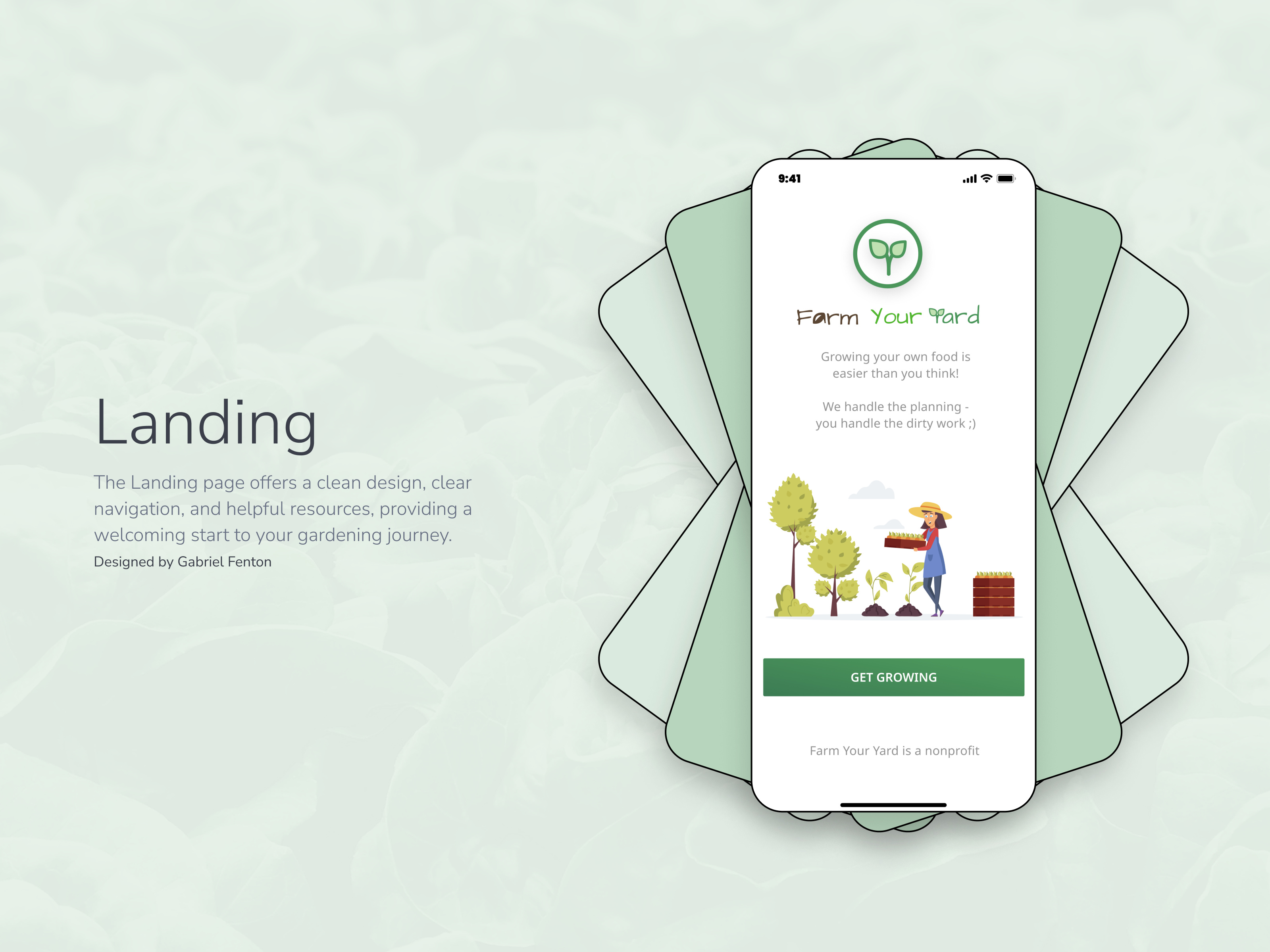
Farm Your Yard was designed to make the possibility concrete: show what could grow, give people a plan they can understand, and build enough shared context for a homeowner and grower to begin together.
The approach
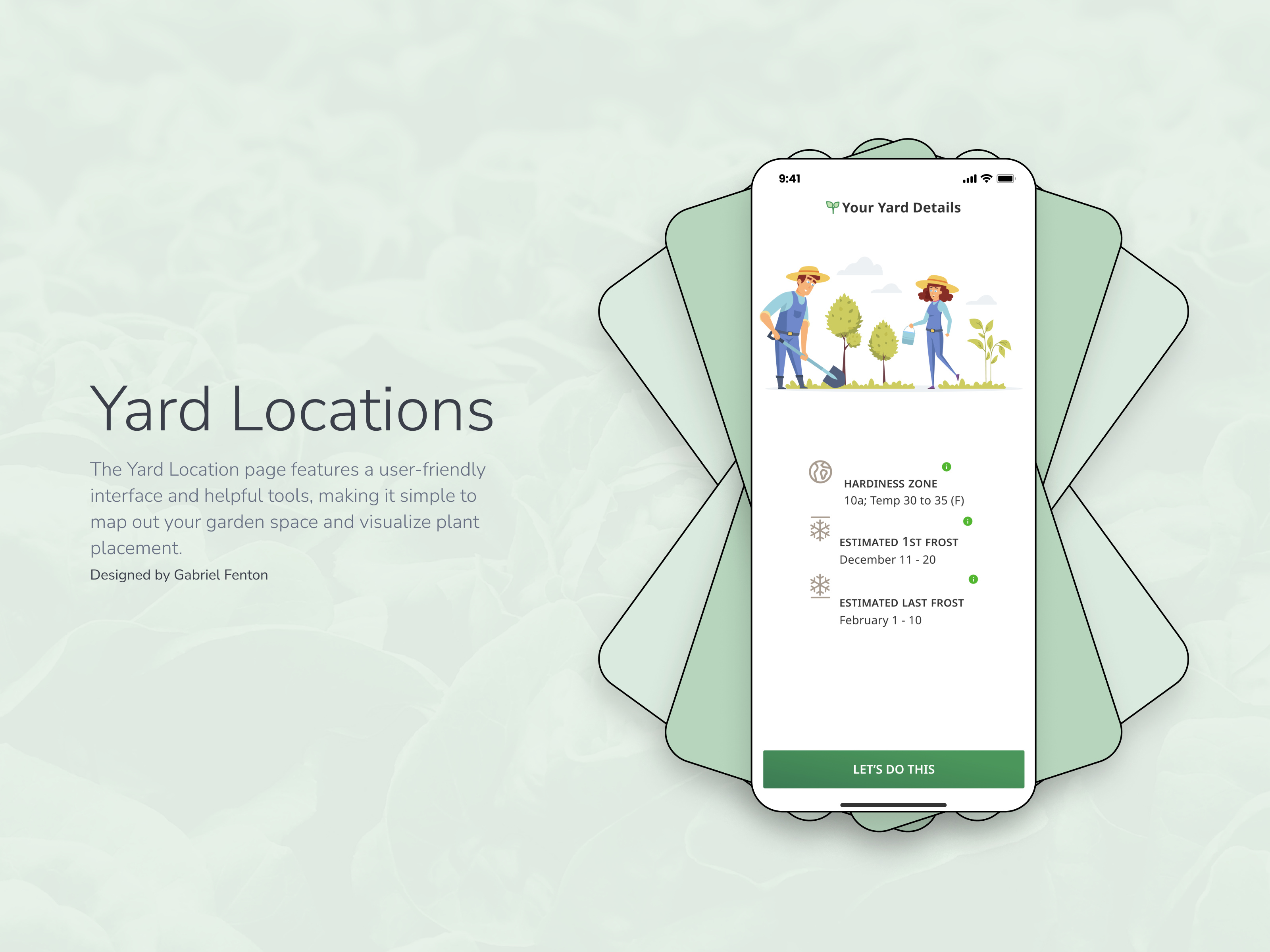
Use simple location and yard details to ground the experience in what is actually available, not an idealized garden.
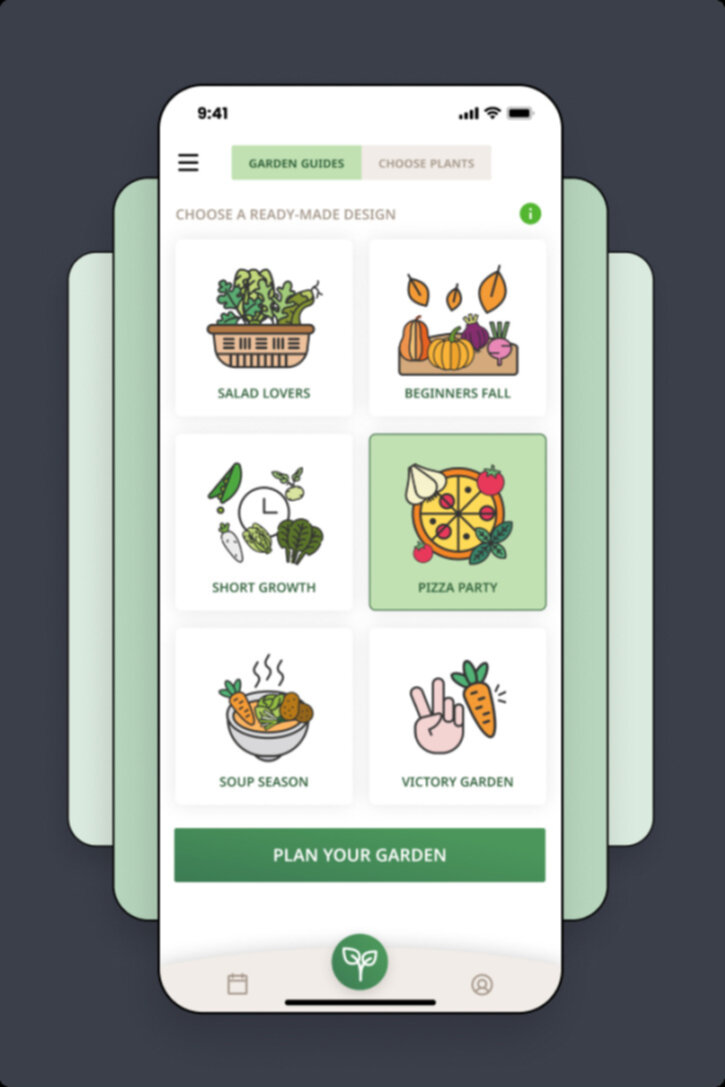
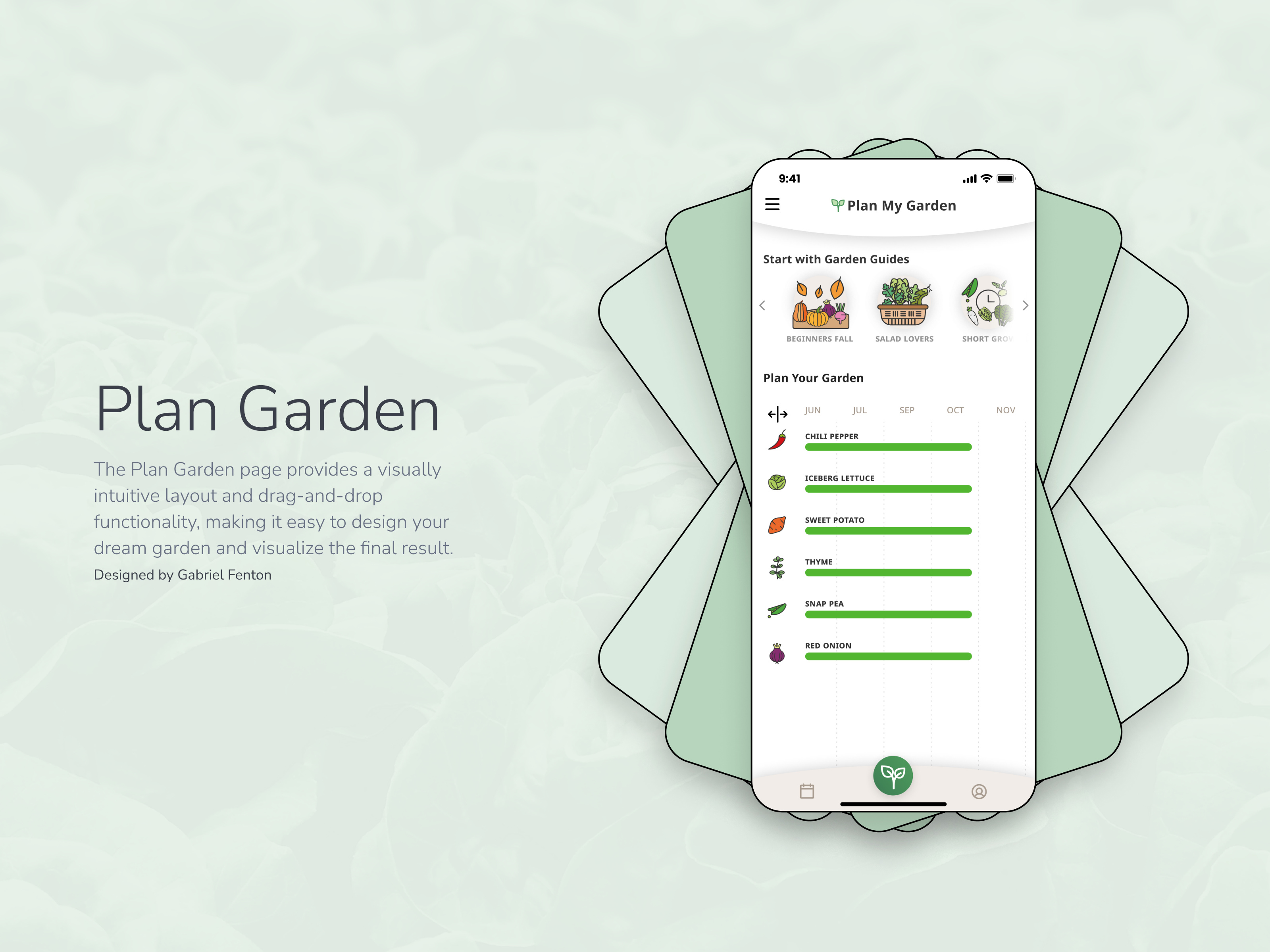
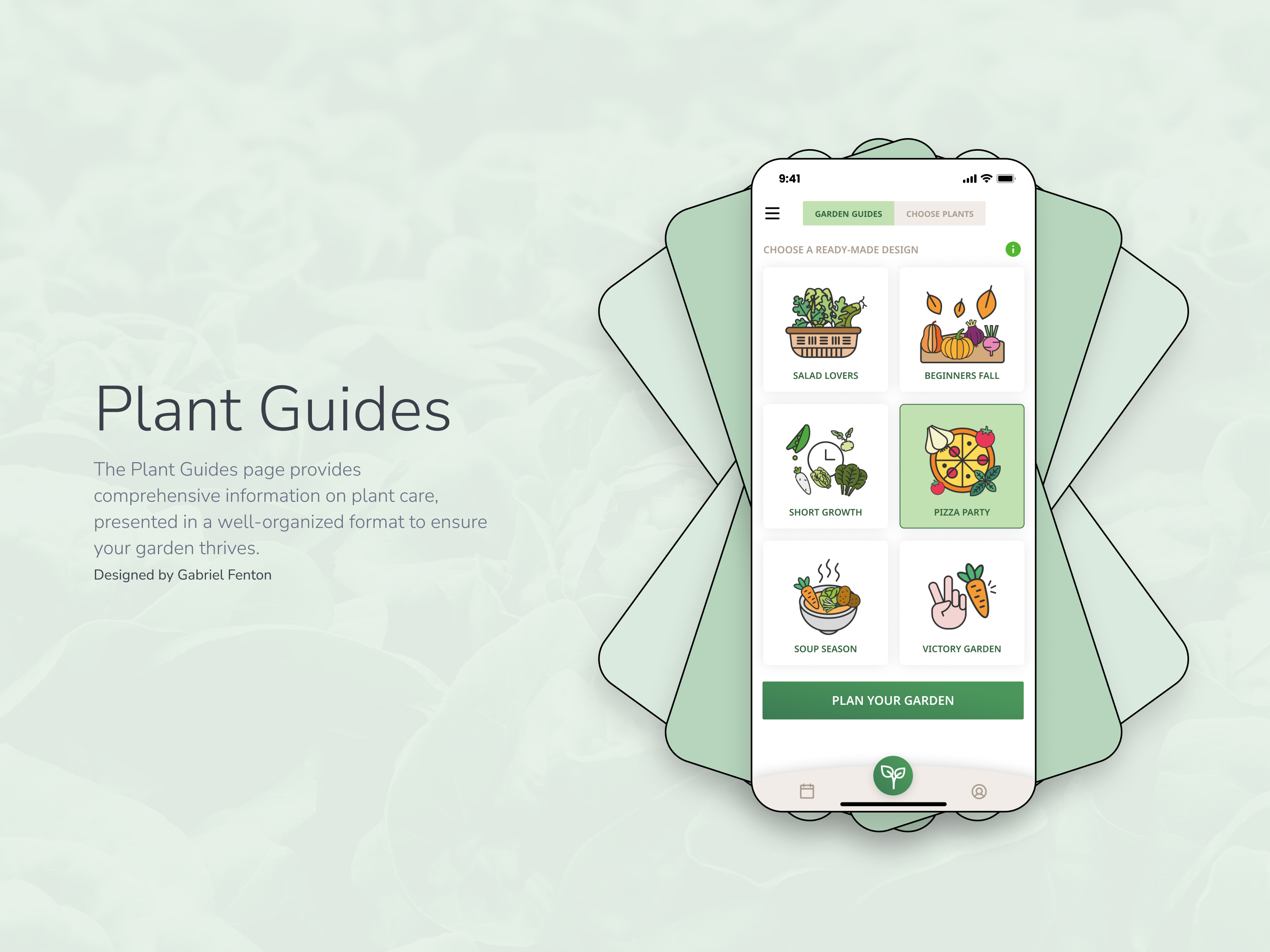
Translate growing choices into a visual garden plan so newcomers can understand trade-offs before committing.
Set clear expectations around the project, responsibilities, and timing before matching two people around a shared yard.
In the product
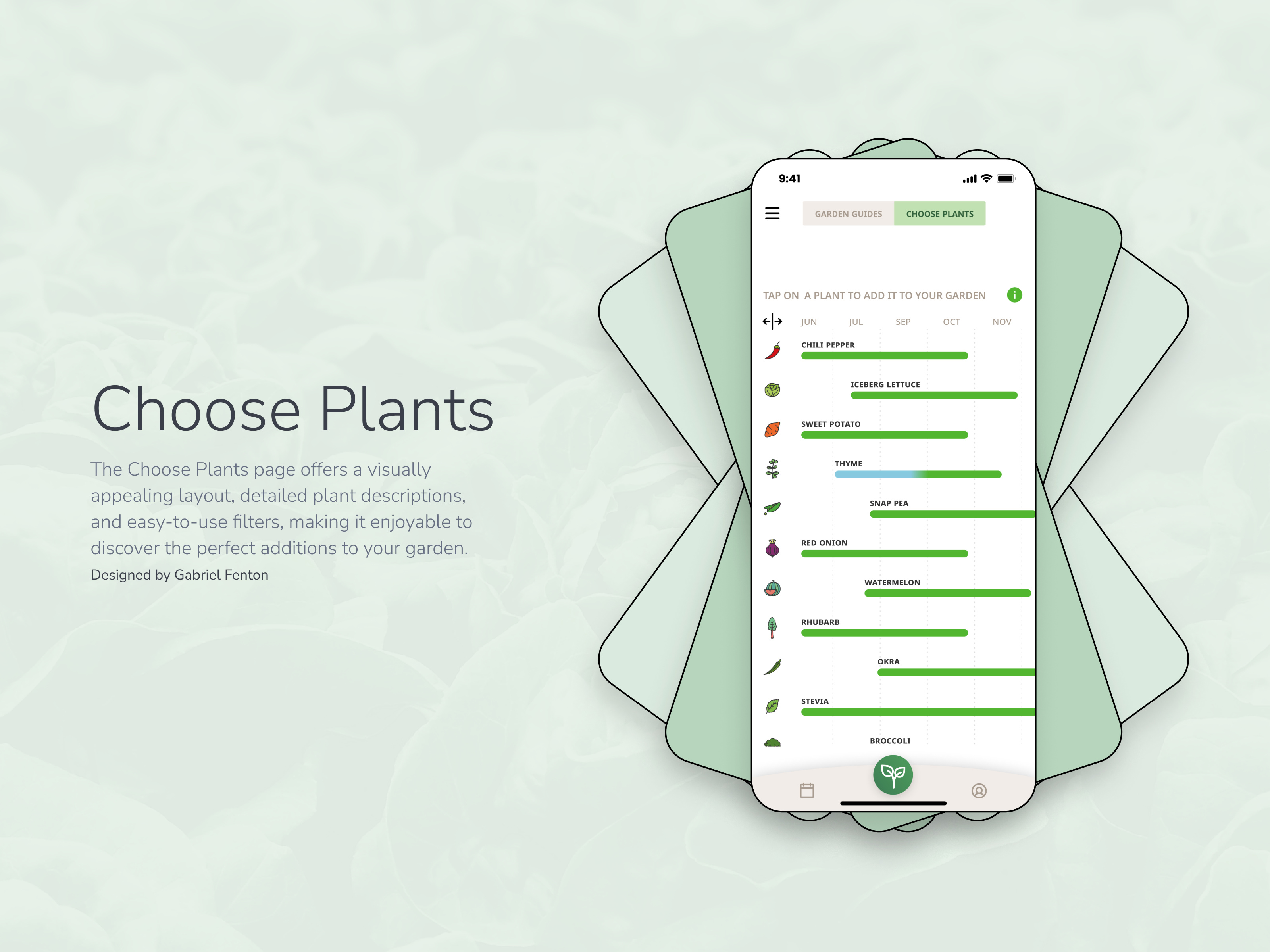
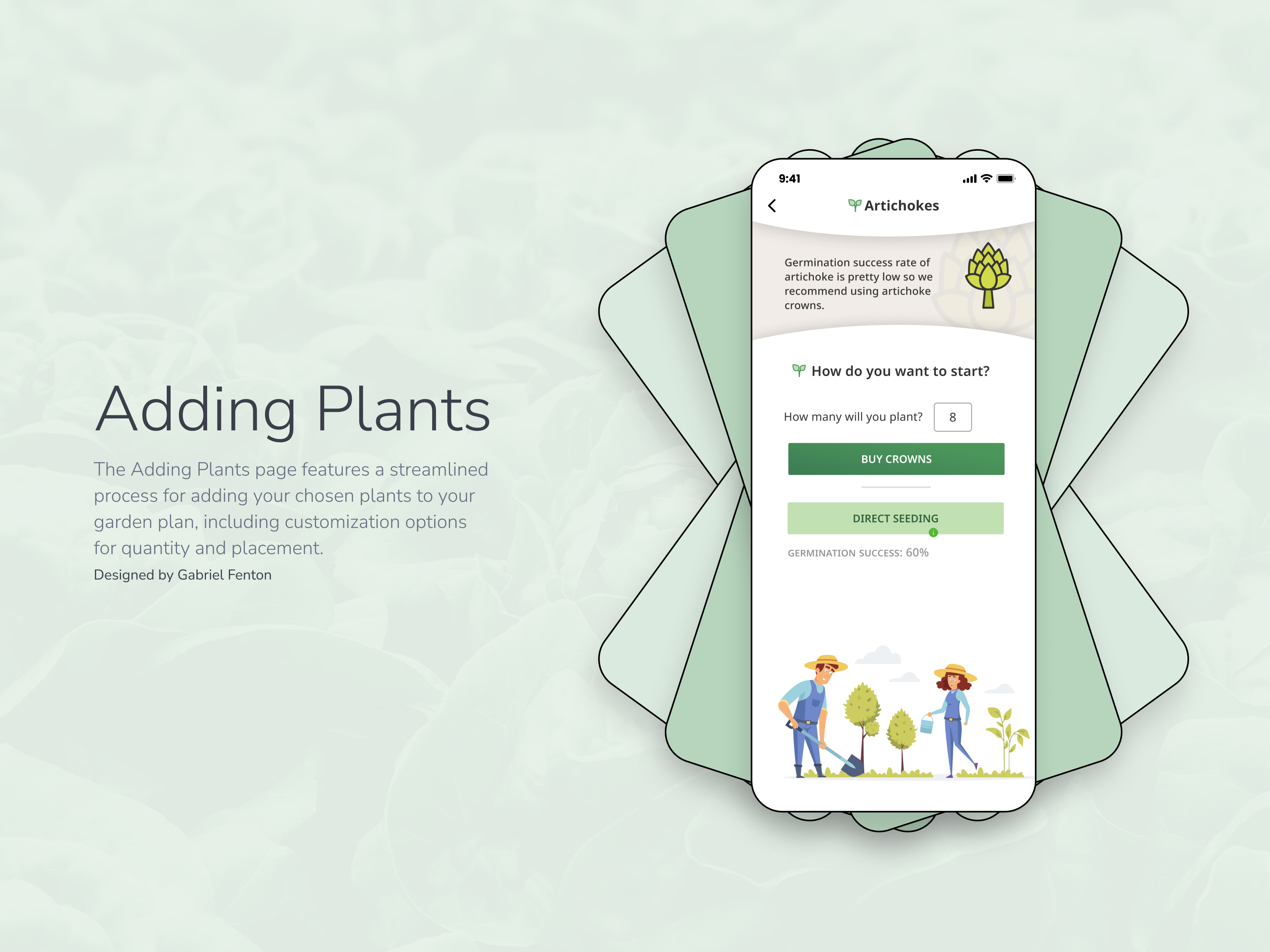
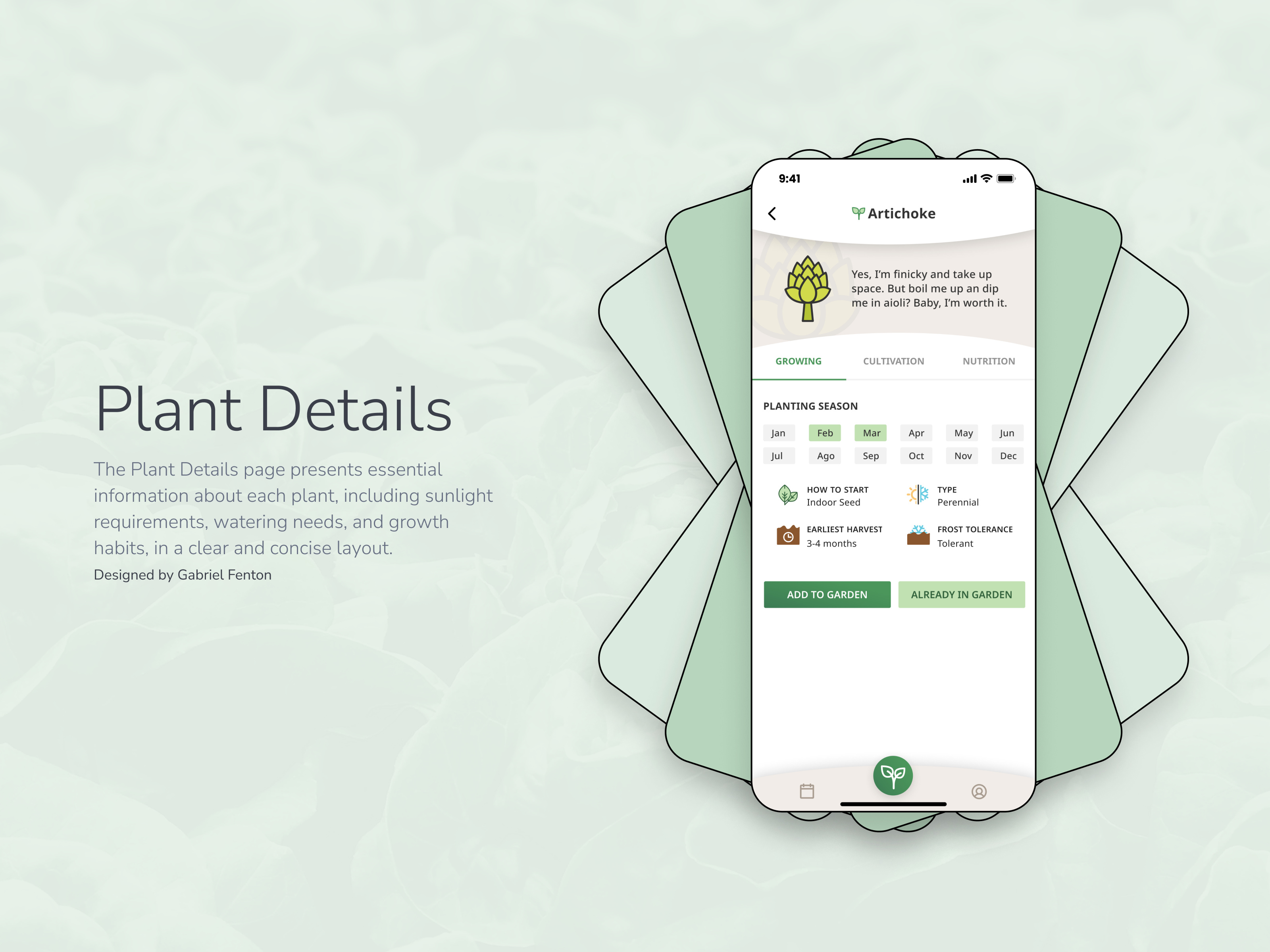
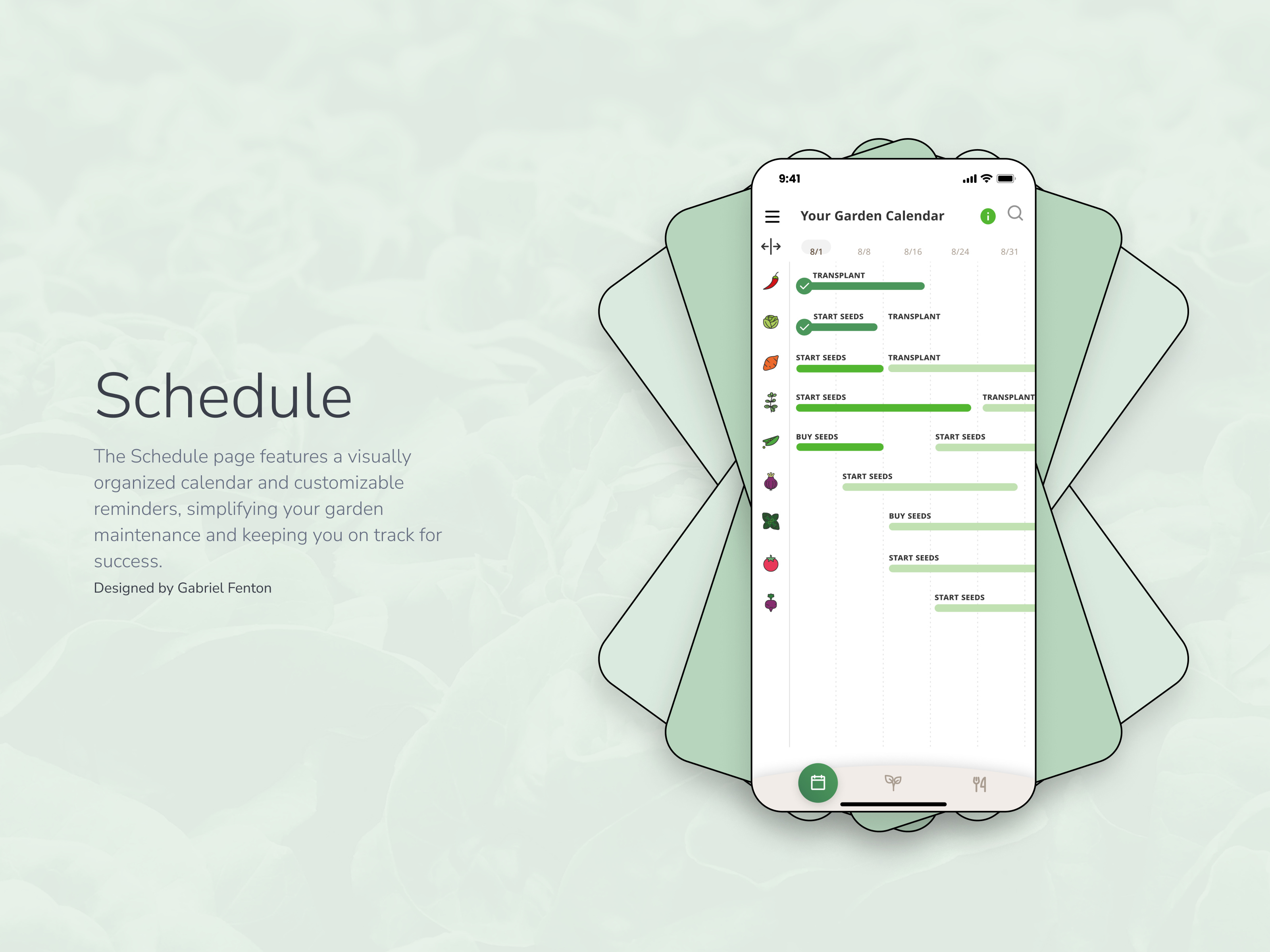
Planning tools turn a high-level intention—“I want to grow something”—into an understandable layout, plant selection, and seasonal sequence.
Designed capability
Location, plant, and garden-planning cues help people move from interest to an idea they can act on.
Homeowners and growers have a common picture of the space, the plan, and what participation involves.
The product prioritizes clarity and expectations early, which matters more than an abstract marketplace match.
Key learning
For a two-sided experience, the initial product job is not to create a connection as quickly as possible. It is to help both people understand the project, the commitment, and the next practical step.
Next case study: Lapa LopaReimagining Urban Agriculture
Urban food production is limited by space constraints while millions of residential yards remain underutilized. Aspiring farmers and gardeners struggle to access land, while homeowners have unused space that could benefit their communities. The disconnect between these groups represents a massive missed opportunity for local food production and community building.
Farm Your Yard creates a seamless marketplace that connects homeowners with available yard space to local farmers, gardeners, and food producers. The platform handles everything from initial matching and contract negotiations to ongoing project management and harvest sharing, making micro-farming accessible to everyone.
The platform has facilitated over 500 yard partnerships, resulting in 50,000+ pounds of fresh food produced locally. Community engagement has increased dramatically, with 95% user satisfaction and measurable improvements in neighborhood connections and environmental awareness.
End-to-End Product Leadership
From Concept to Community
Understanding the Urban Agriculture Landscape
We conducted comprehensive research with homeowners, urban farmers, community gardens, and agricultural experts. Through 100+ interviews, we identified key barriers: access to land, legal concerns, lack of knowledge, and difficulty finding reliable partners.
Defining Multi-Sided User Needs
We identified four primary user personas: The Interested Homeowner (has space, wants to contribute), The Urban Farmer (needs land access), The Community Gardener (seeks local connections), and The Sustainability Advocate (wants environmental impact). Each had unique motivations and concerns.
Creating Trust and Transparency
We designed a platform that prioritizes trust and transparency through detailed profiles, reference systems, and clear communication tools. The interface emphasizes community building with features for sharing progress, coordinating activities, and celebrating harvests together.
Building for Community Scale
We built a scalable platform with robust matching algorithms, integrated mapping, and secure communication systems. The beta launch included 25 pilot partnerships across Seattle, allowing us to test and refine the platform based on real-world usage and feedback.
Growing the Network
Post-launch focus shifted to community building and organic growth. We partnered with local organizations, created educational workshops, and developed a referral system that encouraged existing users to bring in neighbors and friends, creating natural community clusters.
Connecting Communities Through Sustainable Agriculture
Advanced algorithm matches homeowners with farmers based on location, yard conditions, farming goals, and personal preferences for optimal partnerships.
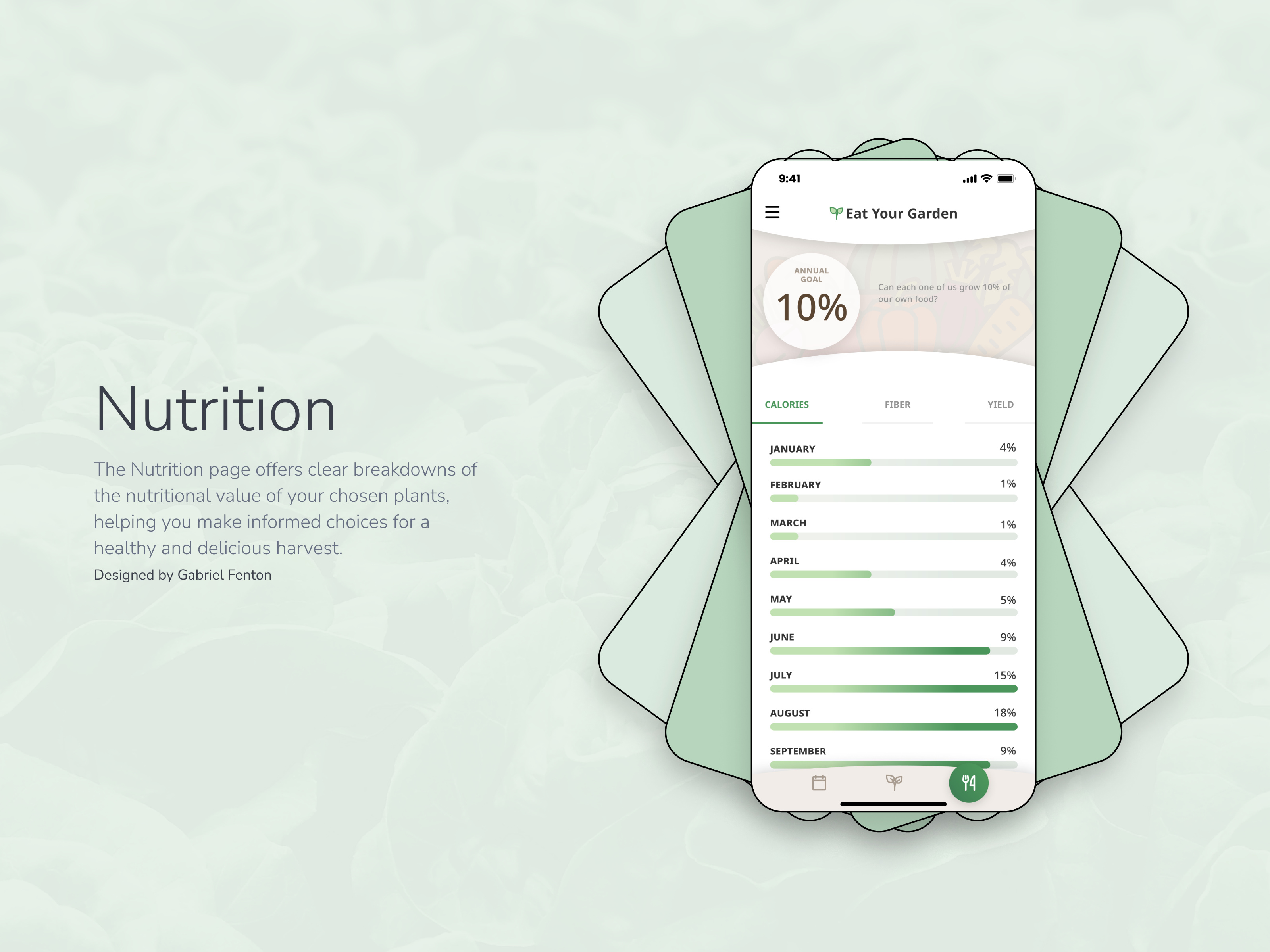
Integrated tools for planning seasons, tracking progress, scheduling activities, and sharing updates between yard owners and farmers throughout the growing cycle.
Comprehensive contract templates and legal frameworks protect both parties while establishing clear expectations for responsibilities, harvests, and conflict resolution.
Educational resources, seasonal guides, best practices, and community forums help users succeed while building connections with other local farming partnerships.
Measurable Community and Environmental Impact
Insights from Building a Community Platform
Building trust between strangers sharing personal space requires careful design. We learned that detailed profiles, verification systems, and community guidelines are essential for user comfort and safety.
Many potential users lacked gardening knowledge or confidence. Investing in educational content and mentorship programs significantly improved user success rates and platform retention.
We discovered that dense local networks were more valuable than broad geographic coverage. Focusing on building strong communities in specific neighborhoods led to better outcomes than spreading too thin.
Agriculture's seasonal nature required flexible platform design. We learned to adapt features and communications to match planting, growing, and harvest cycles for maximum engagement.
Stories from Our Community
Gabriel was a professional from the get-go. He impressed us during the hiring process and continued to impress us during the project. His ability to get requirements from us, and his detail oriented nature is an asset to any project. We would hire Gabriel again for similar requirements. Thank You Gabriel!!
Let's explore how thoughtful product design can create positive environmental and community impact while building successful businesses.